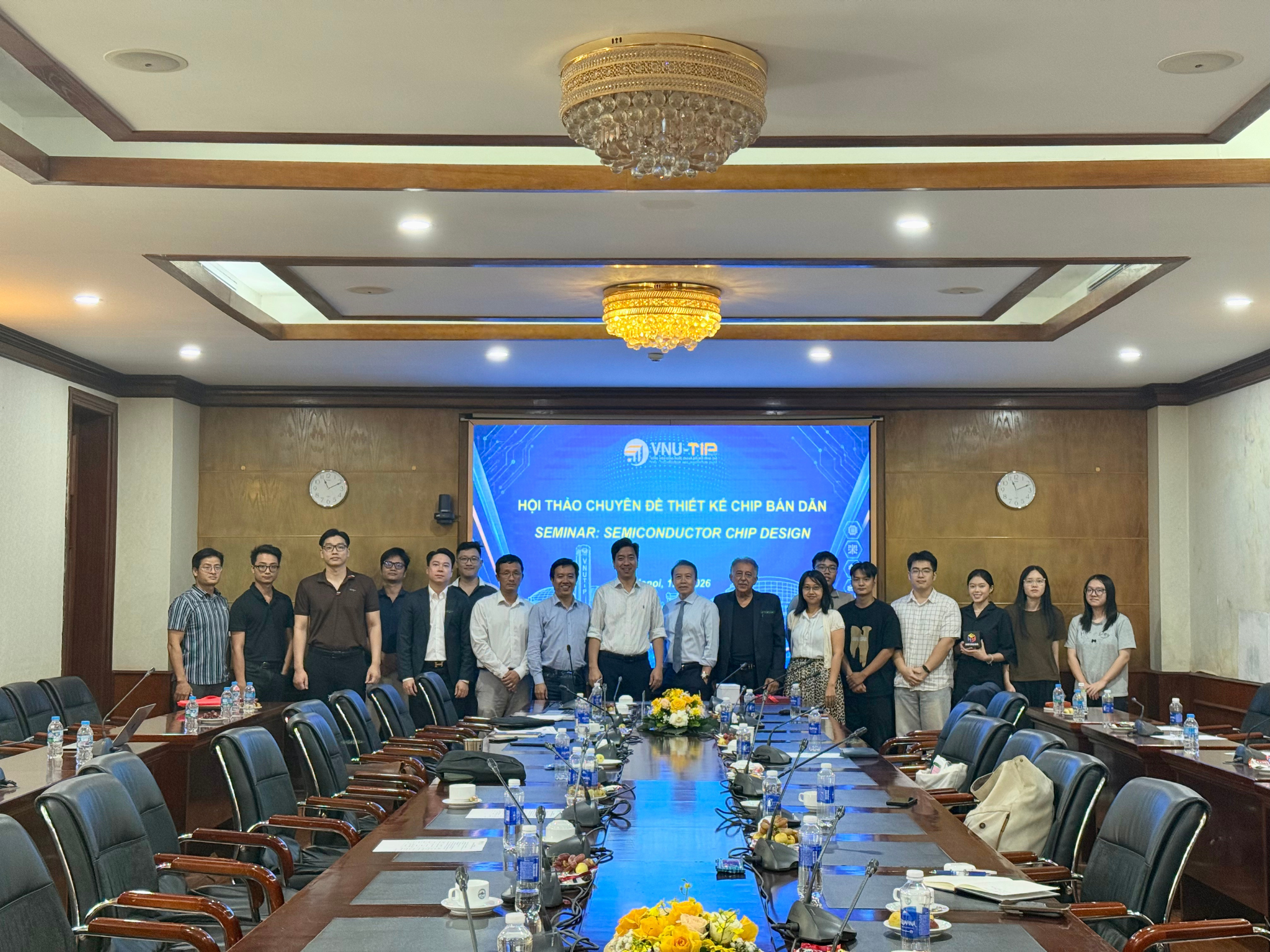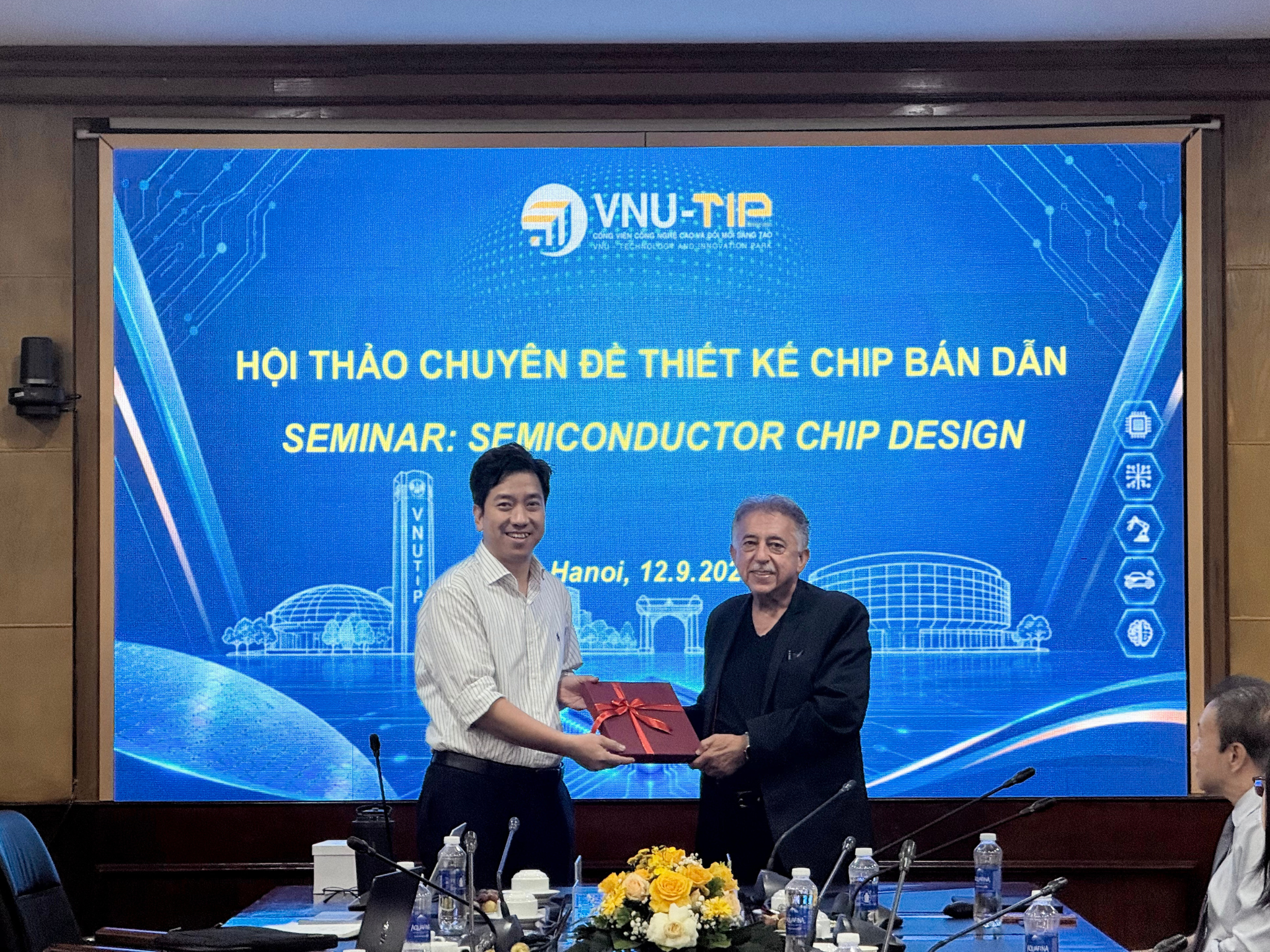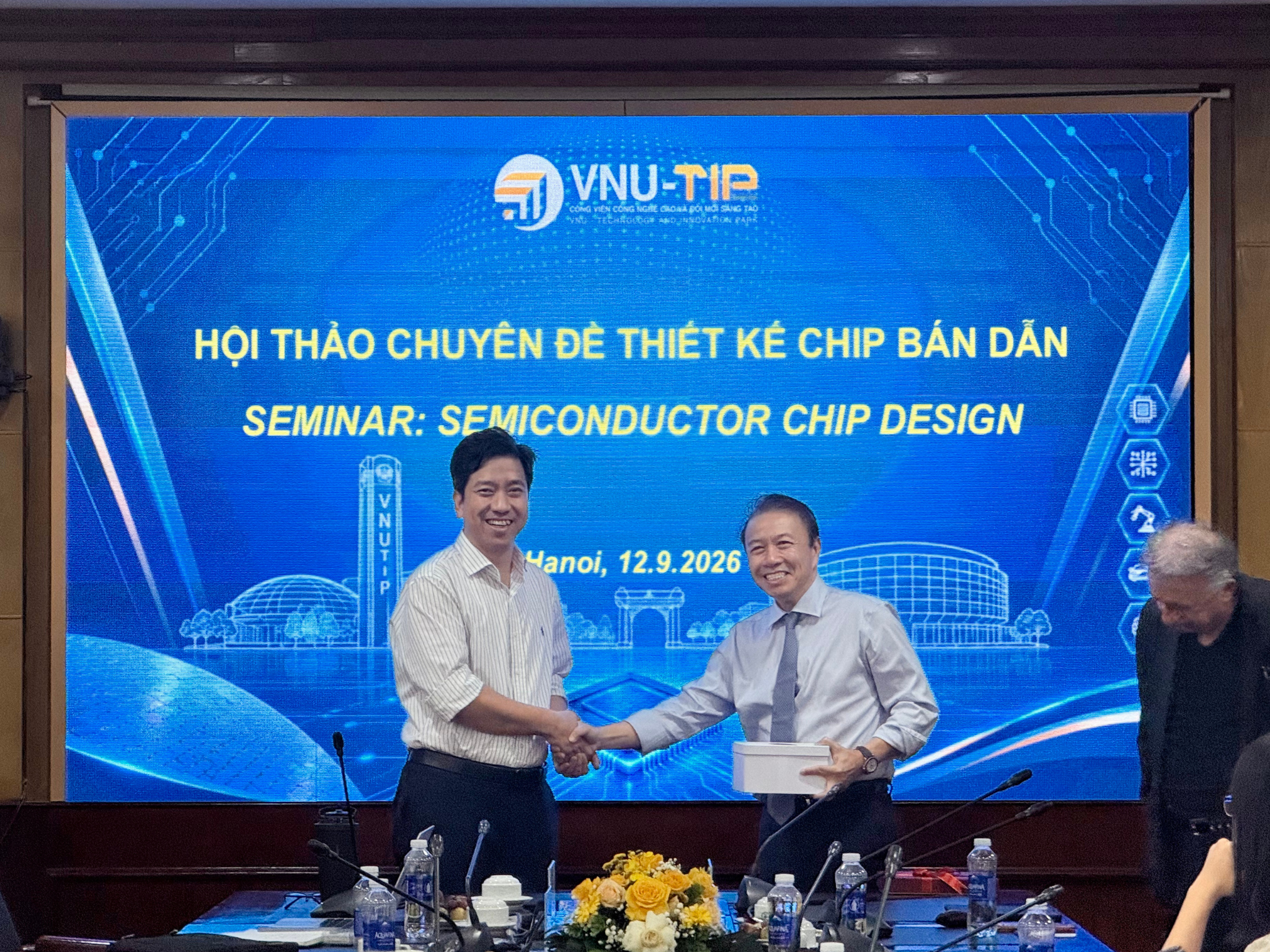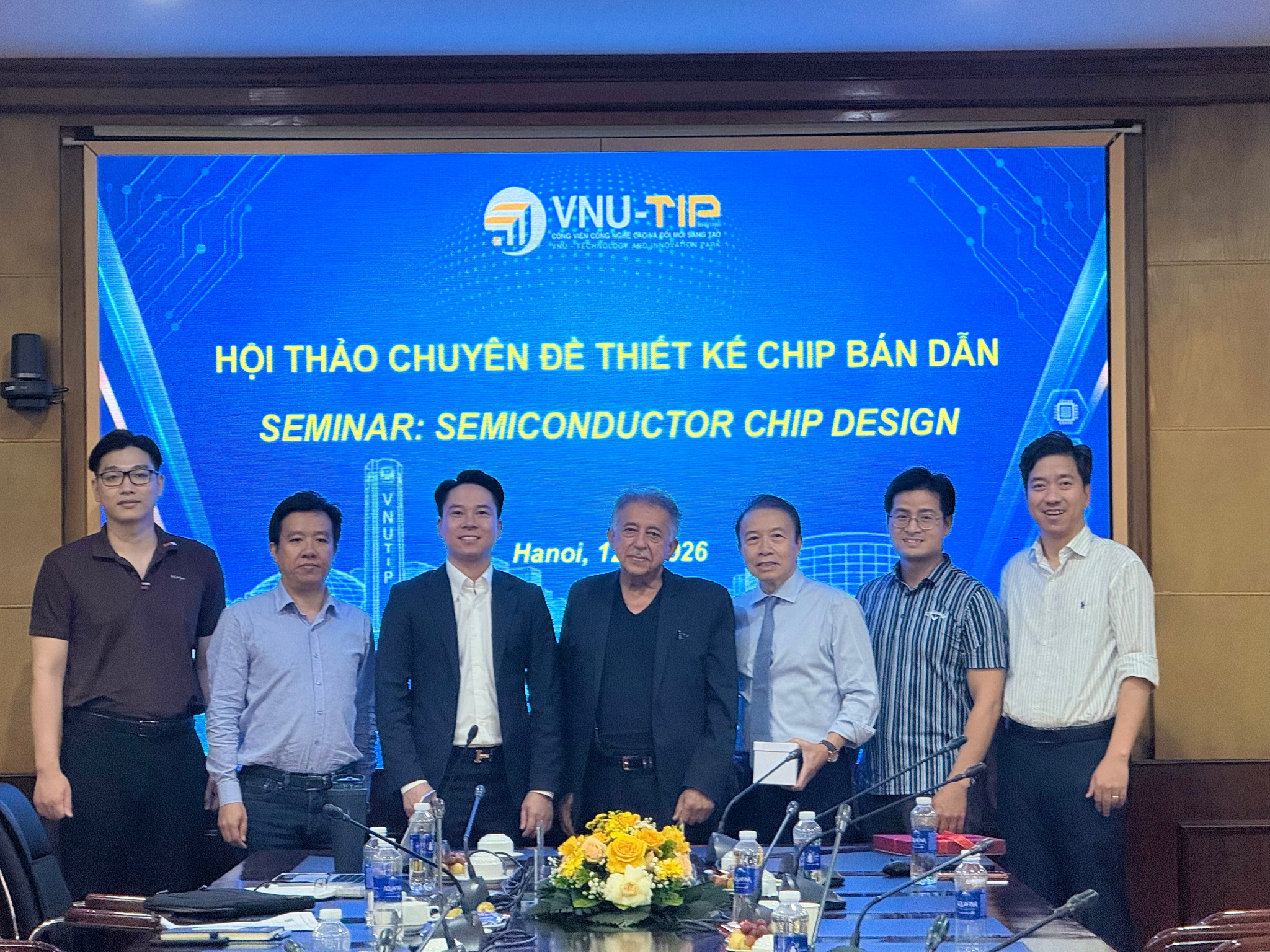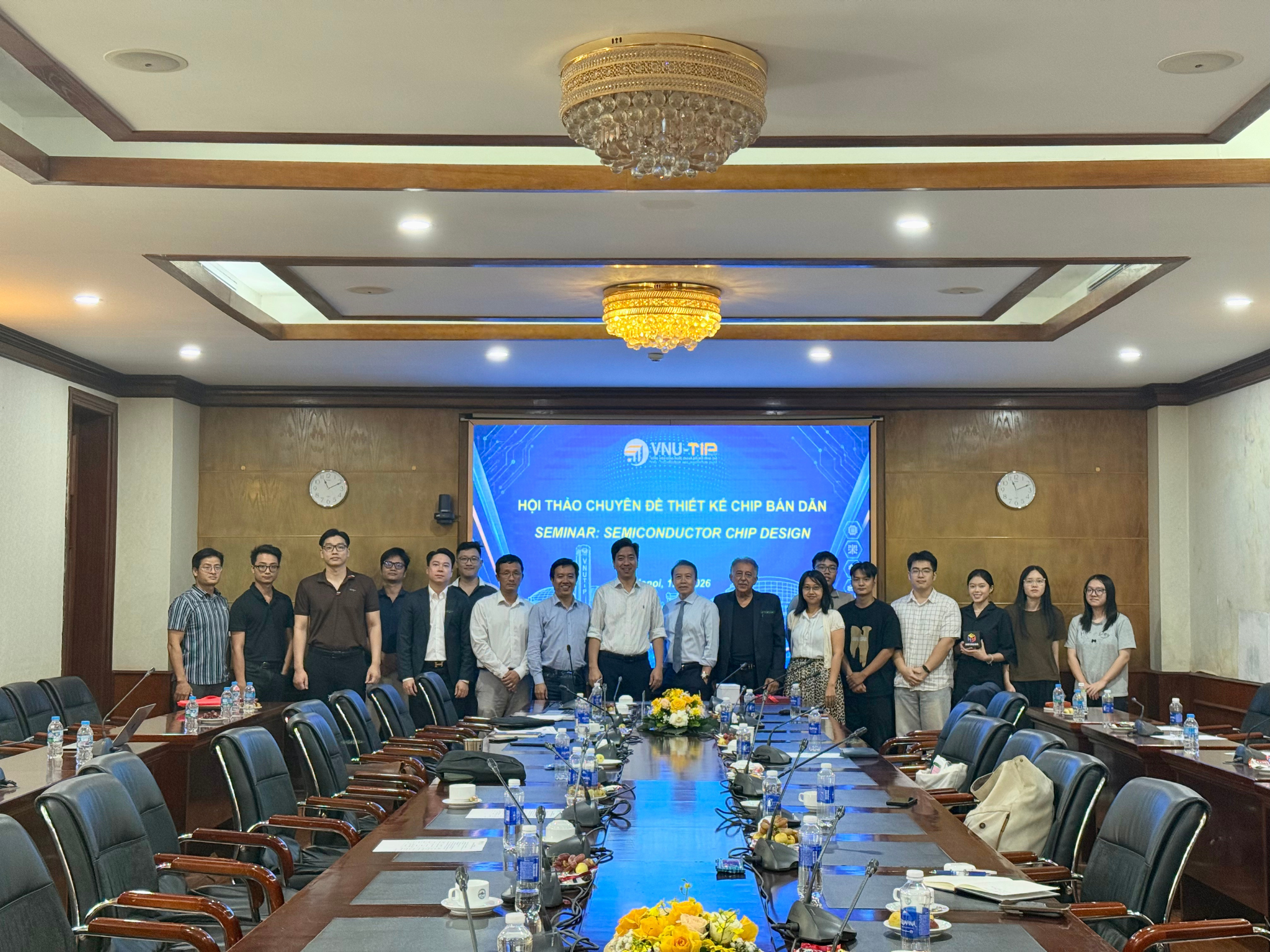
On the morning of September 12, 2026, at Room 203, Building D2, 144 Xuan Thuy, Cau Giay, Hanoi, the Technology and Innovation Park of Vietnam National University, Hanoi (VNU-TIP) hosted the “Semiconductor Chip Design” seminar, with the participation of Assoc. Prof. Dr. Truong Ngoc Kiem – Director of the Technology and Innovation Park, Vietnam National University, Hanoi; Dr. Mehdi Hatamian (NAE Member, former Senior Vice President at Broadcom, CEO of 2Pi-Sigma); Dr. Nhu Huy Hoang (CEO of NousLogic Telehealth, expert in IC & SoC design), together with experts, lecturers, business representatives and students working in the semiconductor field.
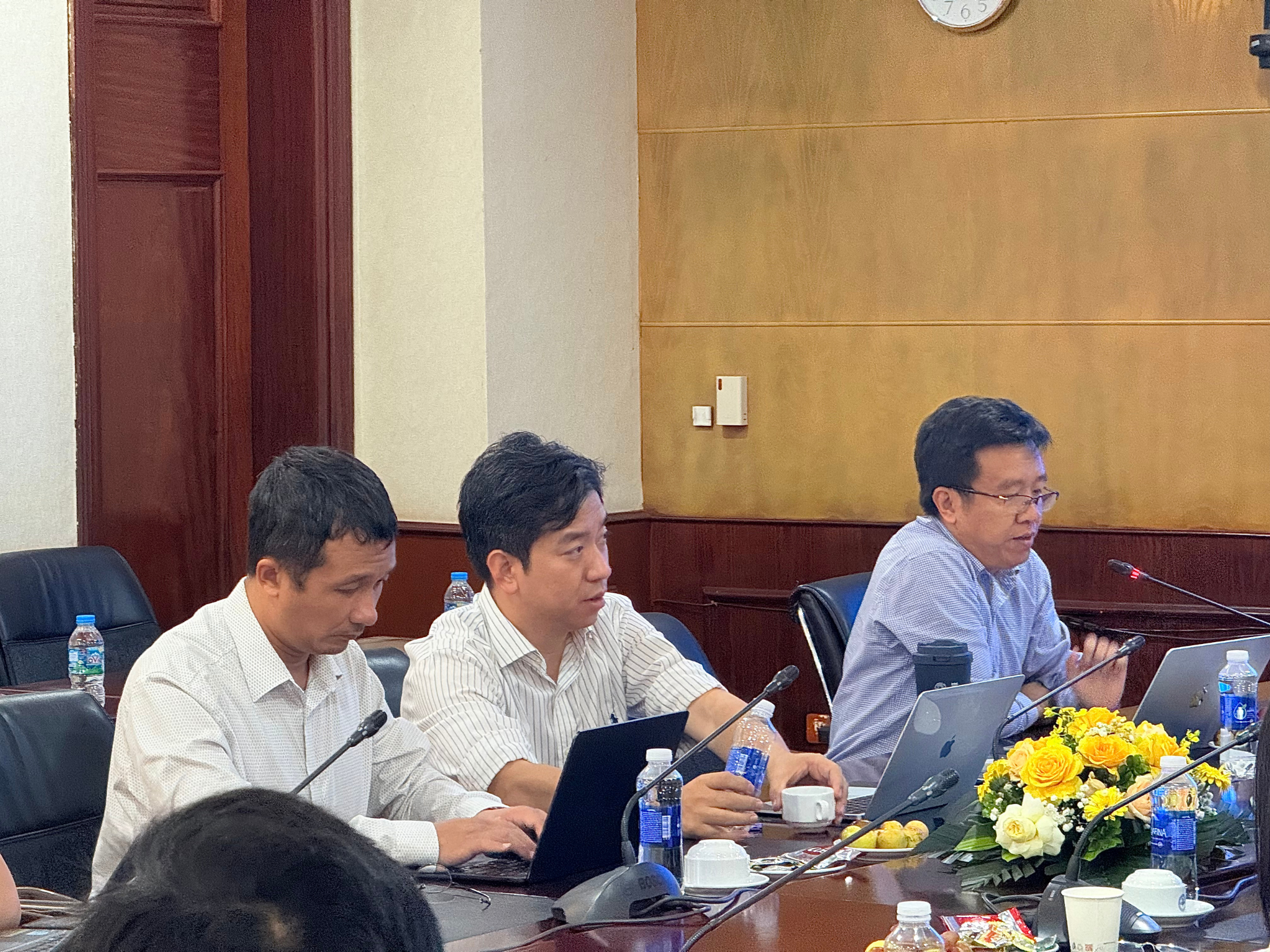
The semiconductor industry has been identified as one of the strategic technology sectors, playing an important role in Vietnam's technological capability and its socio-economic development. Closely following the national orientation for semiconductor industry development and high-quality workforce training, the seminar was organized to create a forum for professional exchange, to connect domestic scientists with international experts, and to share technology trends and practical experience in integrated circuit design. At the same time, it opened up opportunities for research collaboration, the development of application-specific chips and the use of semiconductor technology in fields such as AI, IoT and MedTech.
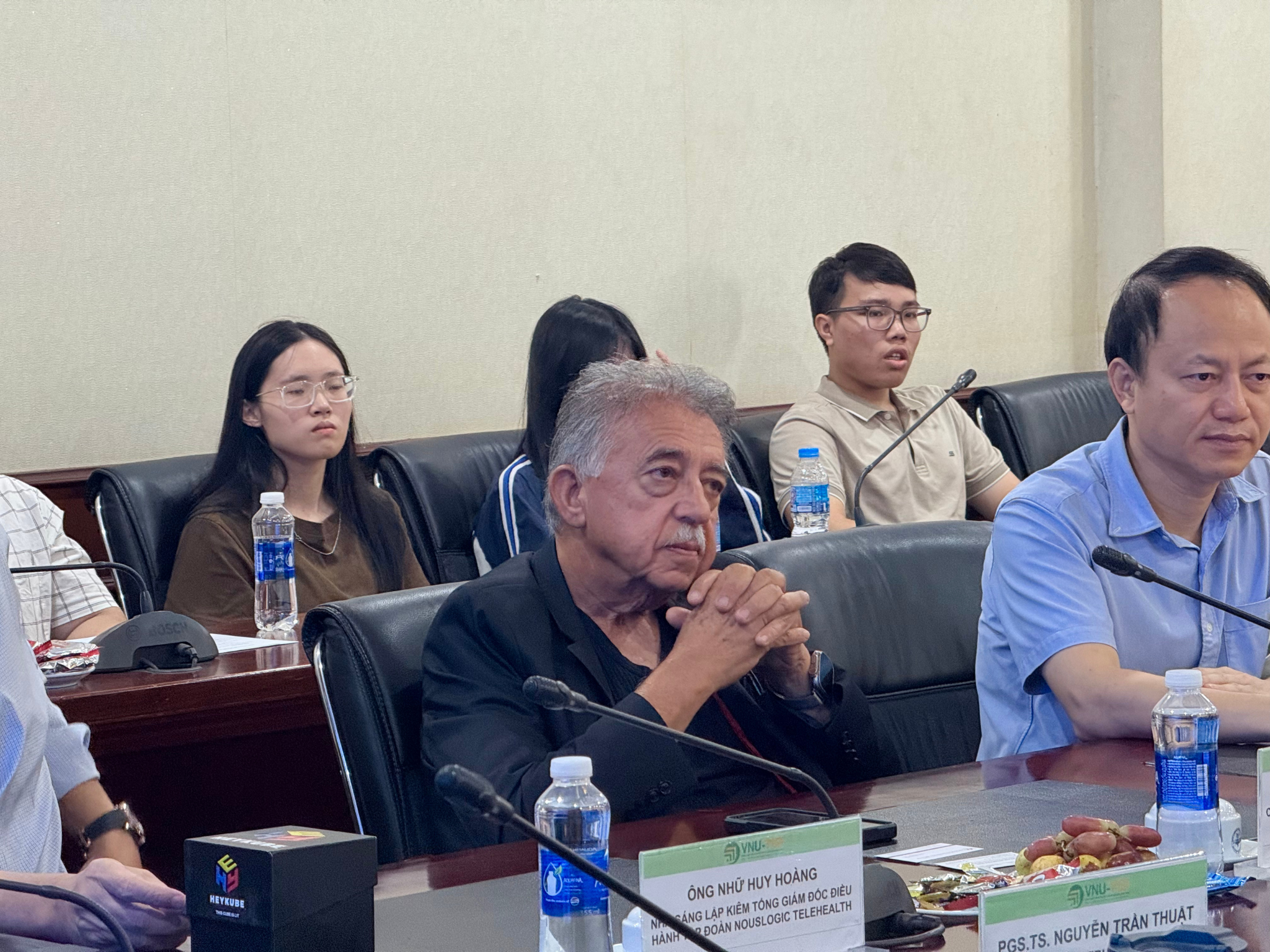
Opening the program, a representative of the leadership of the Technology and Innovation Park, Vietnam National University, Hanoi introduced the Park's role in connecting scientific research, training and the application market, while emphasizing its orientation towards attracting international intellectual resources – including the network of overseas Vietnamese experts – in order to promote cooperation and the commercialization of high-technology products.
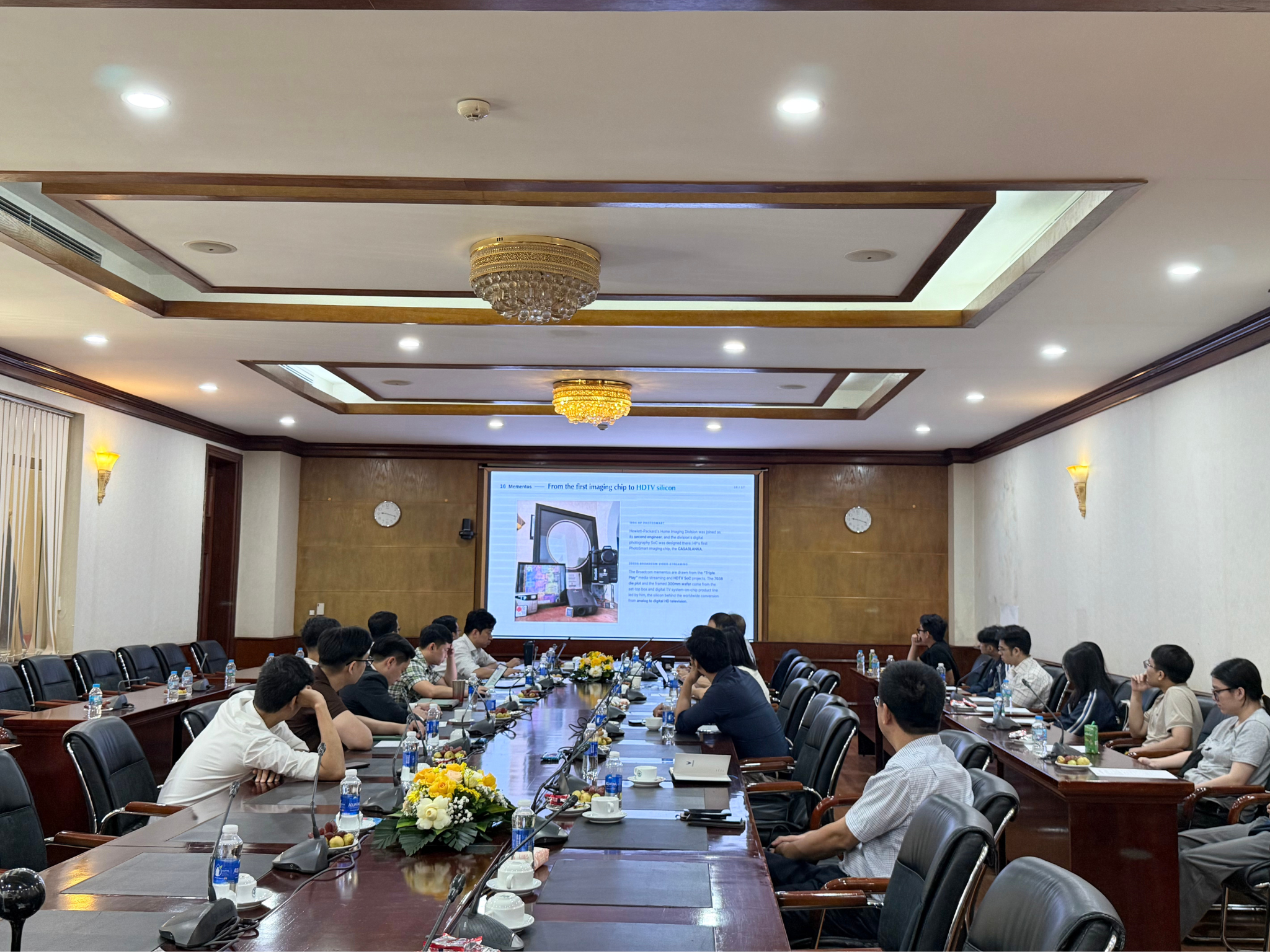
One of the highlights of the seminar was Dr. Mehdi Hatamian's talk on his career and experience in semiconductor chip design. His presentation offered a practical perspective on the journey of developing an integrated circuit design, while clarifying the rigorous requirements of each stage in bringing a design from idea to silicon product.
In addition, Dr. Mehdi Hatamian introduced several technology directions that are currently seeking investment and partnership opportunities. These topics suggested possibilities for connection and research collaboration with the specialist groups of Vietnam National University, Hanoi.
Continuing the program, Dr. Nhu Huy Hoang gave a talk titled “From DSP Algorithms to AI on the Edge”, presenting nearly 40 years of technology development – from A/D chip design and DSP algorithms to SoC design and medical AI applications running on edge devices.
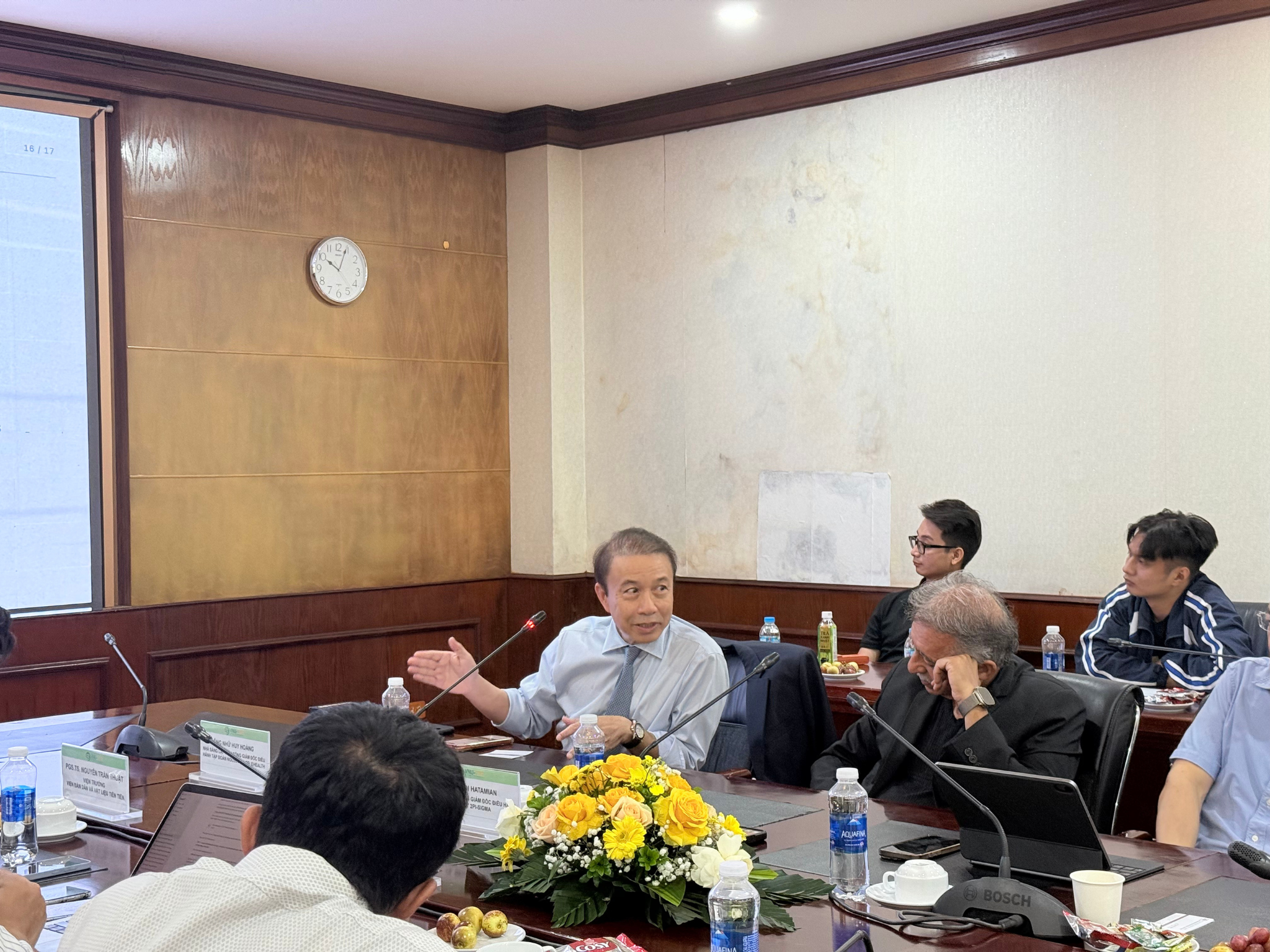
The presentation highlighted the relationship between foundational DSP algorithms – particularly the Fast Fourier Transform (FFT) and convolution – and the development of modern AI. The speaker also introduced the AI-on-the-edge trend, in which AI models are deployed directly on devices, through medical applications such as fundus imaging and screening cameras, medication dispensing devices and wearable health-monitoring sensors.
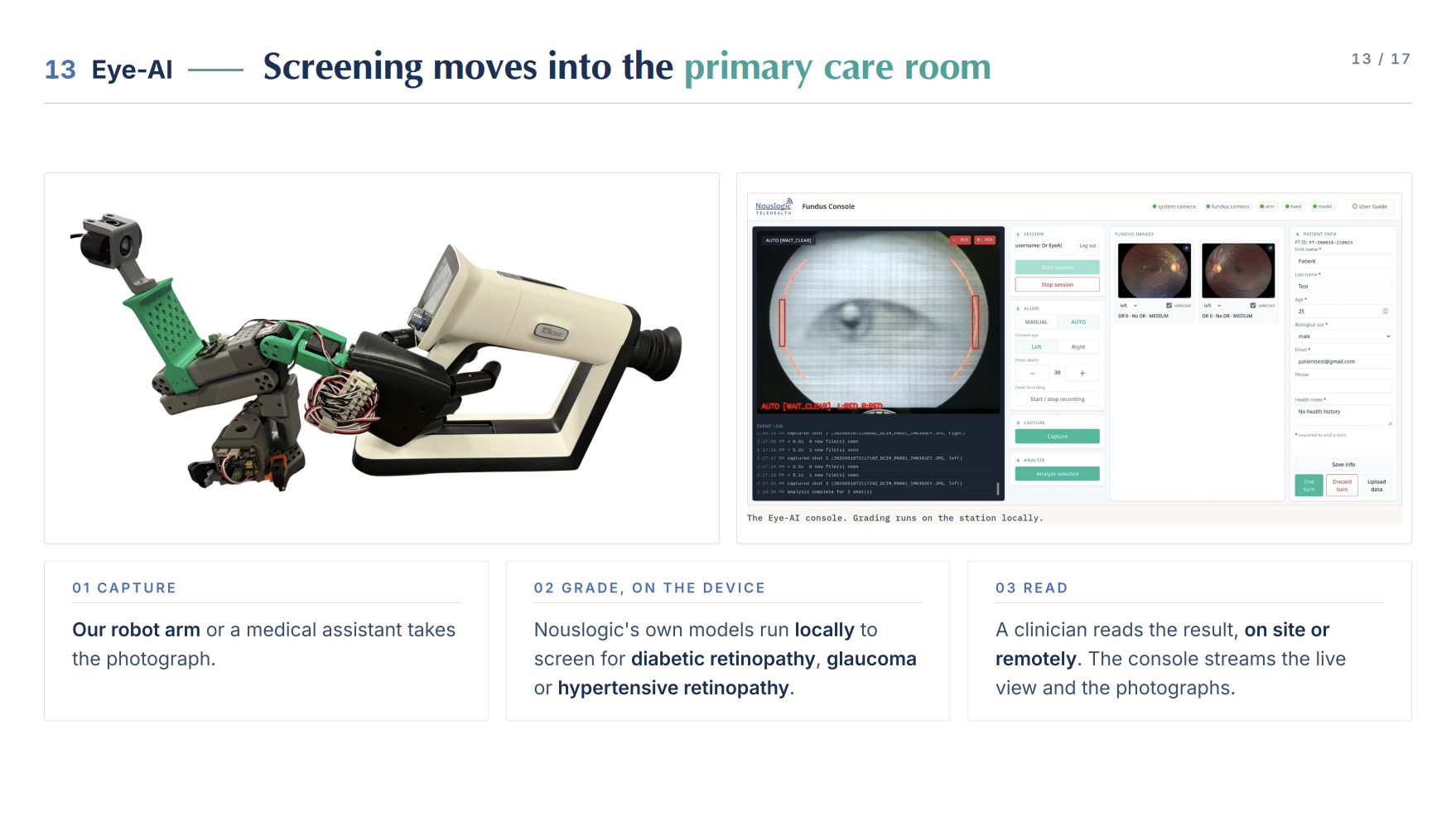
In the field of eye disease screening, the Eye-AI Screening system uses a camera to capture fundus images, after which Nouslogic's AI model runs directly on the device to screen for diabetic retinopathy, glaucoma and hypertensive retinopathy. The results can be read by a physician on site or remotely through the system.
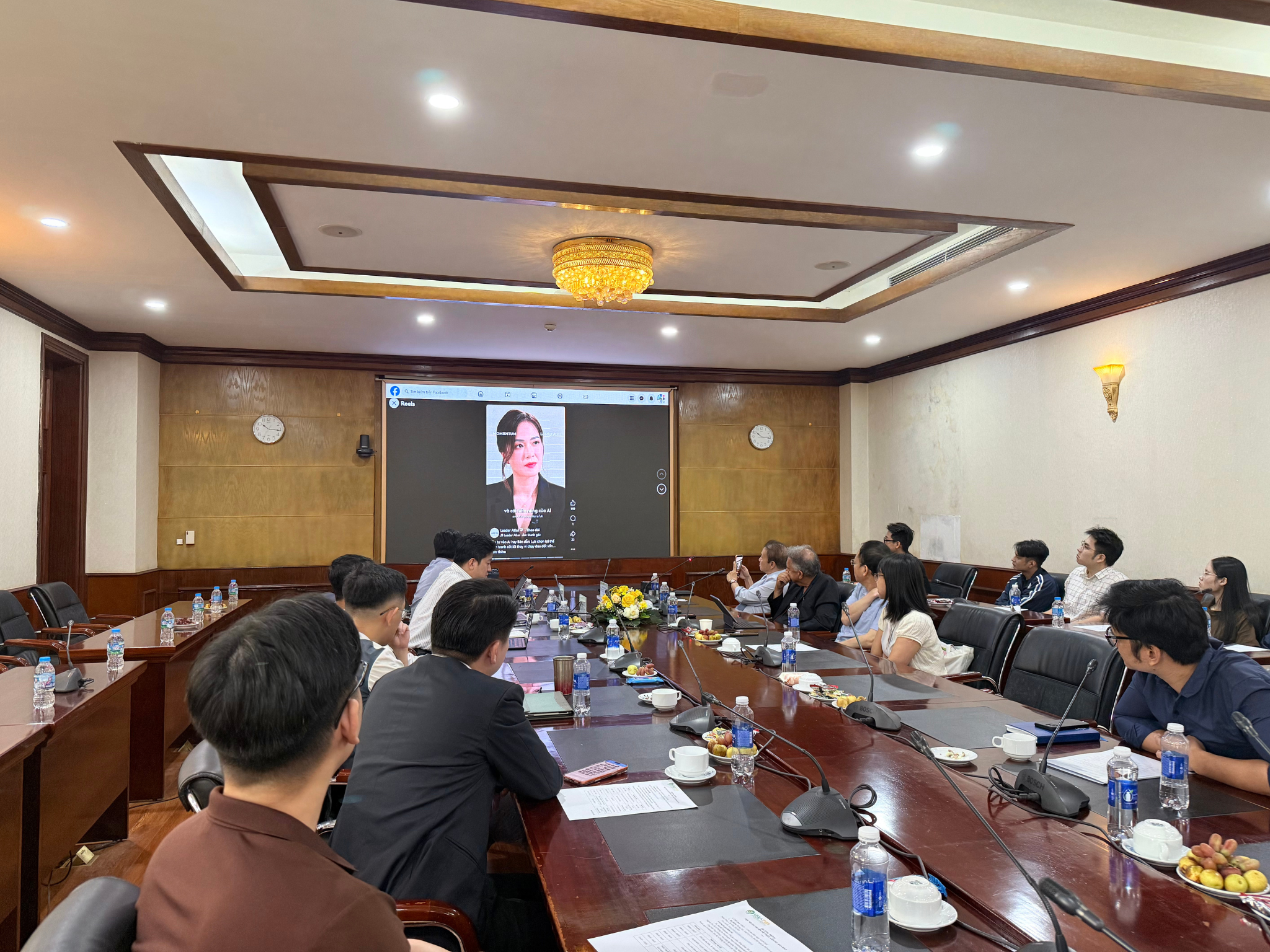
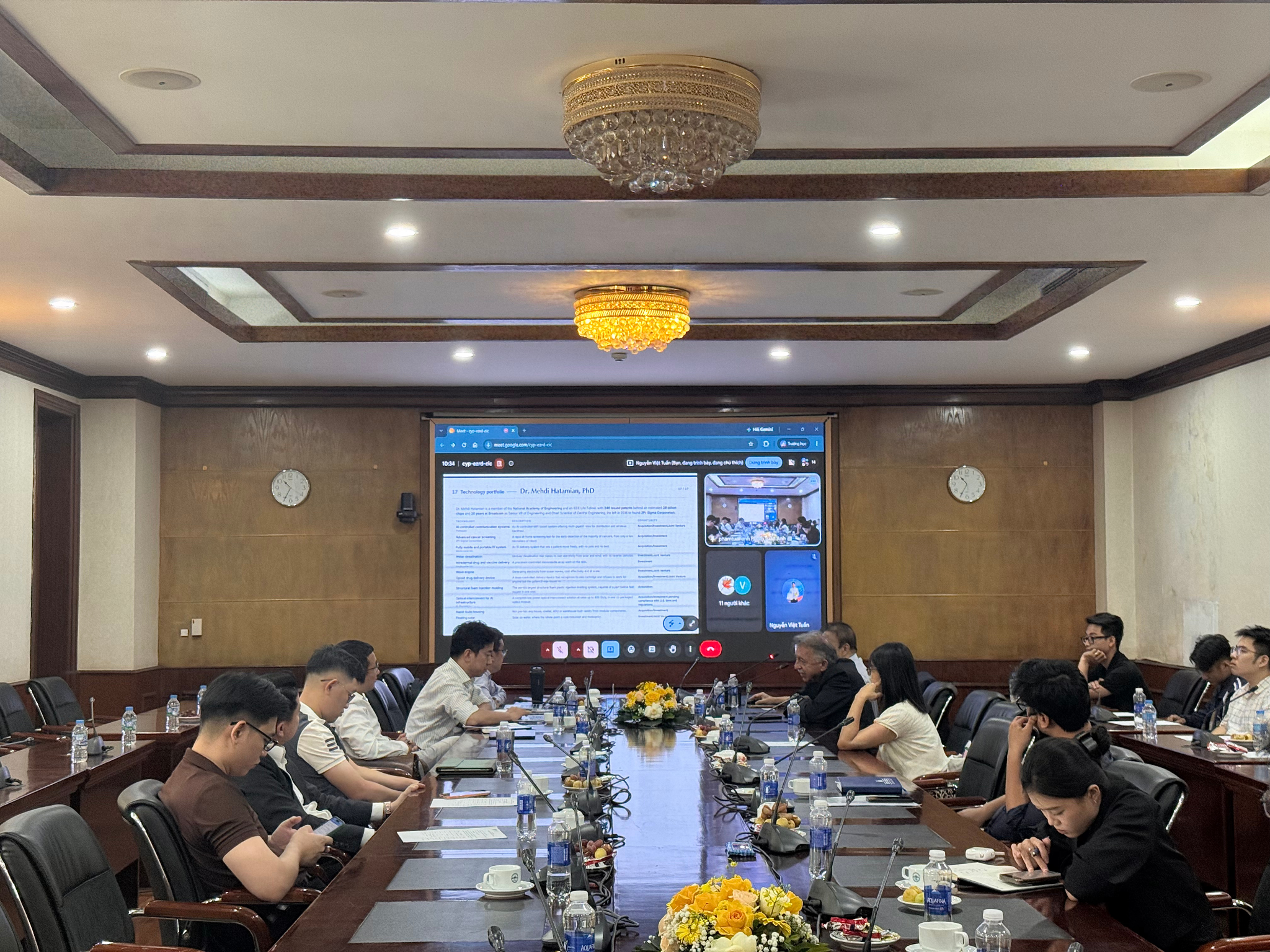
During the discussion session, representatives of faculties, research institutes and participating businesses exchanged directly with the two speakers on opportunities for collaboration in integrated circuit design research, the development of semiconductor applications in healthcare and smart devices, as well as the direction for building IC engineering training programs to international standards.
The exchanges at the seminar produced initial proposals for cooperation between research groups of Vietnam National University, Hanoi and Dr. Mehdi Hatamian, Dr. Nhu Huy Hoang and related technology organizations in the United States, while strengthening the connection between the domestic scientific community and the network of overseas Vietnamese experts.
By organizing thematic seminars and connecting domestic specialists with international experts, the Technology and Innovation Park, Vietnam National University, Hanoi continues to serve as a hub linking scientists, training institutions, research institutes and businesses, contributing to research collaboration, high-quality workforce training and access to advanced technology trends in the semiconductor field.
The “Semiconductor Chip Design” seminar is an activity that helps strengthen academic connections and international cooperation, laying the foundation for new research, training and application directions in the semiconductor integrated circuit field at Vietnam National University, Hanoi.
Some images from the seminar: